
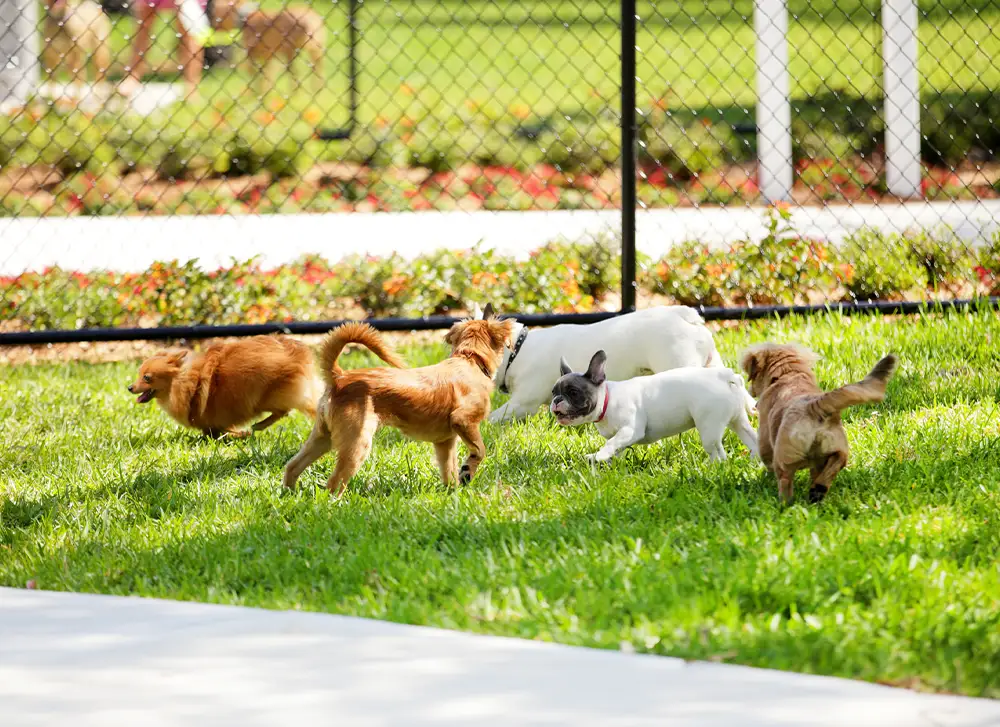
Why Dog Parks Aren’t Always the Best Choice
While traveling recently, we stayed at a hotel with very little green space and needed a place where my 3-year-old Golden Retriever, Hope, could run. Hope is very social, and before I let her into the dog park, I did everything I could to make it a positive and safe experience. I spoke with the other owners, explained her play style, watched the dogs already inside, and chose to go early while the park was still quiet. Everything seemed fine until another person arrived with a dog that guarded her from other dogs. This was not known to me. The owner threw a ball for Hope, and when she tried to bring it back to her, the other dog attacked Hope. In that moment, my heart stopped. It was a painful reminder that even when you do everything right, dog parks still carry inherent risks. They may seem like an easy way to provide exercise, freedom, and socialization, but because they bring together unfamiliar dogs with different temperaments, play styles, health histories, and training levels, situations can become stressful or dangerous in an instant. I felt like I had let Hope down by putting her in that situation.
Overstimulation and Unpredictable Behavior
One of the biggest challenges with dog parks is that they are highly stimulating environments. Many dogs are surrounded by fast movement, unfamiliar dogs, excited owners, and constant activity. Even dogs that are generally social can become overwhelmed in that setting. According to the American Kennel Club, shy, nervous, reactive, or aggressive dogs may not be good
candidates for dog parks, and dogs should have reliable obedience before being off leash in a distracting environment. When dogs are overstimulated, they may jump, ignore recall, rehearse rude behavior, or escalate from play into conflict more quickly than owners expect.
Fights and Injuries Can Happen Quickly
Dog parks bring together dogs of different sizes, energy levels, and social skills, and not all of those interactions are a good match. The Zoetis Petcare guidance notes that bites, fights, and injury risks can increase when dogs have mismatched play styles or when owners misread the difference between play and stress. A correction from one dog can easily turn into a confrontation if another dog does not back off. In crowded or poorly supervised spaces, even well-meaning dogs can be knocked over, frightened, or injured. For some dogs, a single bad experience can leave a lasting impact on their confidence around other dogs.
Health Risks Are Easy to Overlook
Behavior is only part of the picture. Shared spaces also increase exposure to illness and parasites. The American Veterinary Medical Association advises owners to keep dogs fully vaccinated, prevent contact with stool, avoid shared standing water, and remove any dog that shows signs of illness. According to a 2024 Zoetis Petcare article, intestinal parasites are common in dog parks, while respiratory infections such as kennel cough and canine influenza can spread quickly in group settings. Puppies, senior dogs, and dogs with weaker immune systems may be especially vulnerable.
Dog Parks Are Not the Same as Good Socialization
A common misconception is that all dogs need dog parks to be socialized. In reality, good socialization is about helping a dog feel calm, confident, and able to make good choices around the world—not forcing interactions with every unfamiliar dog they meet. Many dogs do better with smaller, more controlled experiences. Dogs that are selective, sensitive, insecure, or still learning how to regulate their excitement often benefit far more from structured exposure than from a chaotic group environment. For those dogs, a dog park can reinforce the very behaviors an owner is trying to improve.
Better Alternatives for Exercise and Socialization
For many dogs, there are safer and more effective options than the local dog park. Structured playdates with known dogs, supervised daycare with careful screening, training-based social outings, pack walks, enrichment games, and one-on-one exercise can all meet a dog’s needs without the same level of unpredictability. Sniffspot is also a great alternative while you are traveling with your canine companion. It operates similarly to a VRBO or Airbnb and is subscription-based. These alternatives allow owners to choose environments that support better behavior, safer interactions, and more positive learning experiences.
The Best Choice Depends on the Dog
Dog parks are not automatically bad, but they are not automatically beneficial either. The best choice depends on your dog’s temperament, training, health, and ability to cope with a busy social environment. For many owners, the most effective path is not simply finding a place for dogs to run free, but choosing experiences that build confidence, encourage good behavior, and protect long-term well-being.